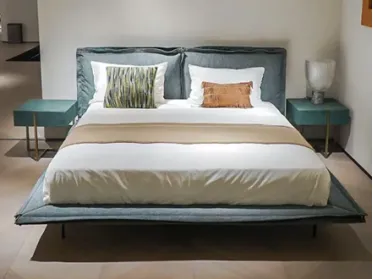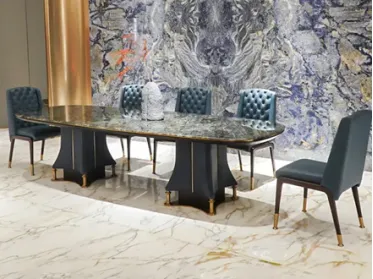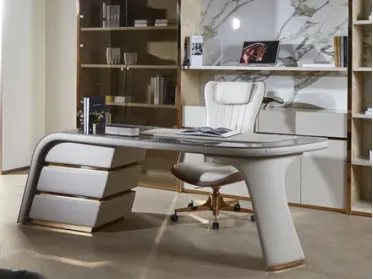

The next project on the books is my primary bedroom. Just like the rest of the house, there is zero character so far. I haven’t even been sleeping in there, instead opting for the guest room which is nicely decorated (and much warmer)! I’m looking forward to making this room my own. It will be a fun makeover with minimal power tool DIYs and more decorating, including some new pieces of furniture!
Choosing furniture for a bedroom can be a daunting task. You don’t want all matching pieces – bedroom sets are from a bygone era. But you still want a cohesive look. Here, we discuss the best way to mix and match bedroom furniture, so you can create a room with visual interest that also reflects your personal style.
This post contains affiliate links. Learn more here.
Most furniture can be categorized into four groups: wood tones, painted, metal, and upholstered. Within each category are a spectrum of tones, colors and different textures (i.e. dark wood vs light cane) that allow you to infuse your desired style and color scheme.
Now, you don’t have to use furniture in each and every category to make a room work. In fact, there are sometimes matching furniture can look great if done right. A good place to start is to simply not have matching furniture right next to each other. It makes the eyeballs bored.
We’ll experiment with different combinations from each category in some fun concept mood boards below! But first, here are examples in each furniture category.
Wood and Cane Furniture
As you can see, unless they belong to a matching bedroom set, it’s tricky to match up the different wood tones in each piece. So most of the time, it’s a good idea to contrast the furniture adjacent to each other, and if you have two similar tones of wood (more on complimenting different wood tones later) you’d keep those items of furniture on opposite sides of the room.
Painted Wood and Metal Bedroom Furniture
Painted furniture can add another layer of complication when you need to match the undertones of your wall color to your furniture colors. If your walls are neutral, though, painted furniture is a great way to add personality to your design theme.
Metal furniture is mostly seen on bed frames, but I’ve also seen some interesting nightstands and dressers with metal finishes. This can be a fun way to add statement pieces.
Upholstered Furniture
An upholstered bed frame instantly elevates a space, in my opinion. I tend to stick with natural materials in my designs, only because choosing a fabric bed is really committing to a color, scheme unless you choose one in neutral tones.
If you find colorful or patterned upholstered furniture you just know you’ll love for years to come, it’s the perfect opportunity to add real character to your bedroom. No cookie-cutter room for you!
Pulling A Color Scheme Together
To state the obvious, none of the collages above would make a good bedroom design on their own. We want to pull from multiple categories so that each piece of furniture compliments another. They can be different colors, different materials or even different styles (more on that later), so long as none look totally out of place.
Here are some examples on how to bring colors and tones together for a harmonious look:
Matching Styles
There are ways to make mixed furniture styles work together, but there are lots of caveats. Let’s take the room concept from Example 3. We paired the dark wood bed frame with blue nightstands for some contrasting color, and a striped armchair for some pattern.
The first combination just looks wrong, even though everything has the same colors as the second combo. The furniture legs are not matching, or even the same shape, but since they are both traditional, it works so much better.
It’s all about choosing the right pieces. Let’s look to the next example to see how mixing furniture styles can work if done right.
How to Mix Wood Finishes
Mixing different wood finishes is a great way to add depth to a room, and unlike mixing materials, colors and textures, there are simple “rules” for this.
- Choose a Dominant Color & 1-2 Subordinate Colors: Choose a dominant wood color for the room (this will likely be the color of the largest furniture pieces or your flooring). Then choose one or two more wood finishes to disperse throughout the room.
- Pay Attention to Undertones: Pay attention to the undertones of each wood type. Normally, it’s best to choose all cool undertones or all warm undertones in varying shades. However, I’ve seen interior designers do a fantastic job of combining cool and warm woods. To achieve this, there is usually a piece in the room that pulls from both cool and warm to make it work.
- Create Contrast: An easy way to do this is one light wood, one medium wood, and one dark wood. Any of these can be your dominant wood.
- Disperse Evenly Throughout The Room: You don’t want one side of the room to be light wood, and the other all dark wood. For example, if you have a light wood bed on one side and a dark dresser on the other, you can balance it by adding accent pieces in the contrasting wood to each side.
Tone vs Undertone
In case you aren’t familiar, the tone of wood refers to the lightness or darkness of the finish. Undertone refers to the underlying hue of the wood. A simple way of looking at it: warm has an underlying golden hue, and cool has an underlying grey hue. Neutral would be neither. That’s it in a nutshell, but there is a vast spectrum within each.
I took a photo of a warm wood side table against my floors to demonstrate the importance of undertones. As you can see, the warm wood looks orange next to the floors, and the floors look extra grey! Side note: I super hate my floors and dream of changing them to a warmer wood one day.
Example of Mixing Woods in a Bedroom
Area Rugs, Curtains, Wallpaper & Bedding Can Tie A Room Together
Lastly, let’s talk about the decor that will surround your furniture. This is what can make or break your room design. Some of the above examples only work together because the area rugs bring all the colors together. I didn’t use bedding, art, wallpaper or curtains in my above room example, but all of these would pull the varying large pieces together even more.
Take a look at how much adding these design elements can make a difference! The bedroom concept on the left looks good enough as is. But once we add wall art, curtains and more textiles, now we really have a cohesive design.
Well, I’m off to design my own bedroom now. I have my work cut-out for me I guess! I hope this post was helpful. As always, remember that the most important thing when decorating your room – even more important than “the rules” – is that your room makes you feel happy


Related News



Sep. 20, 2024